Psychedelic Medicine
Association
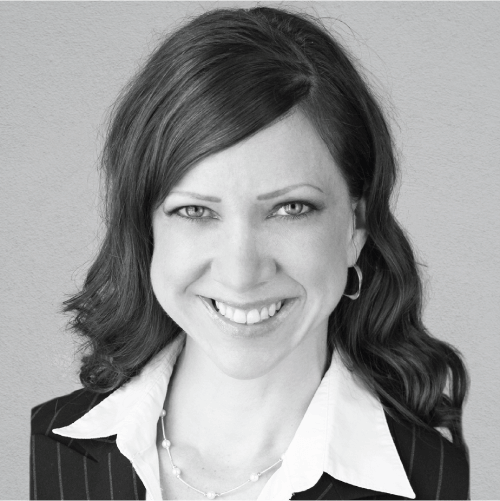
President - Psychedelic Medicine Association

Founder and Medical Director of Kuya Institute for Transformational Medicine
Dr. Dan Engle is a psychiatrist with a clinical practice that combines aspects of regenerative medicine, psychedelic research, integrative spirituality, and peak performance.
His medical degree is from the University of Texas at San Antonio. His psychiatry residency degree is from the University of Colorado in Denver, and his child and adolescent psychiatry fellowship degree is from Oregon Health & Science University.
Dr. Engle is an international consultant to several global healing centers facilitating the use of long-standing indigenous plant medicines for healing and awakening. He is the Founder and Medical Director of Kuya Institute for Transformational Medicine in Austin, Texas; Full Spectrum Medicine, a psychedelic integration and educational platform; and Thank You Life, a non-profit funding stream supporting access to psychedelic therapies.
Dr. Engle is the author of The Concussion Repair Manual: A Practical Guide to Recovering from Traumatic Brain Injuries, as well as his new book, A Dose of Hope: A Story of MDMA-Assisted Psychotherapy.

Director of the Ayahuasca Foundation
Carlos Tanner is an American who has been studying the science of ayahuasca and plant medicine in Peru since 2003. He currently organizes healing retreats and educational courses led by Shipibo curanderos in the Amazon Rainforest. In 2017 Carlos opened the Riosbo Ayahuasca Research Center inside the Allpahuayo-Mishana National Reserve. The research hosted there was published in June, 2021, in the journal Frontiers in Psychiatry demonstrating that attending an ayahuasca retreat can produce epigenetic changes associated with significant reductions in symptoms of depression and anxiety. Research continues at the center and will now include the treatment of chronic pain, PTSD, and changes to the gut biome produced when attending an ayahuasca retreat.
Despite not being in any phase 3 trials, nor being widely legal in most of North America, there’s one psychedelic medicine that still seems to be paramount in effecting life-changing transformations across many areas of physical, mental, and spiritual wellbeing: the South American plant-based brew known as ayahuasca.
While researchers are still working to understand exactly how and why ayahuasca is such a powerful tool, thousands of years of indigenous wisdom continue to inform the practices and bring about results that science has yet to fully understand.
Known as “the vine of the soul,” ayahuasca has been directly researched for its ability to address depression and addiction, and DMT (one of the components of ayahuasca) has been investigated for its ability to induce neurogenesis.
As research continues into ayahuasca, those seeking to experience its healing properties are flocking to South America for ayahuasca retreats, and clinicians may be tasked with preparing or clearing patients for this therapy, as ayahuasca is one of the psychedelic medicines with the most notable medication interactions.
That’s why we gathered experts well-versed in the traditions and research surrounding ayahuasca to help educate us on a number of issues that clinicians will want to be familiar with in order to help these patients ensure a safe experience.
We were honored to have panelists on this webinar to cover:
…and much more!
As always, there was ample time for audience Q & A, so be sure to stay till the end!
You can find the Psychedelic Medicine Association on Twitter, LinkedIn, and on Facebook.